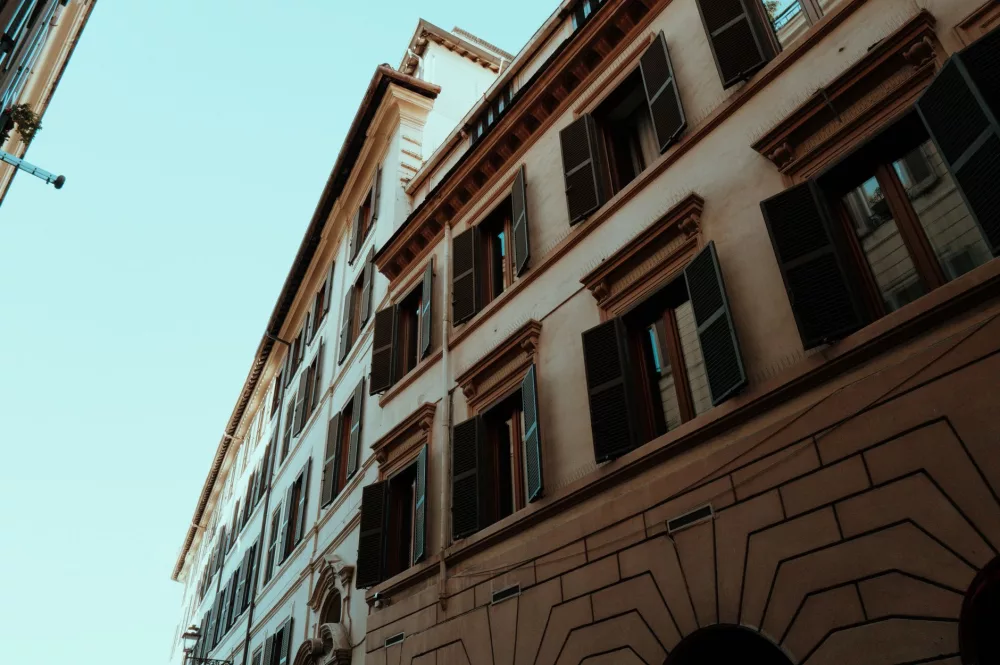
What is 'La Dolce Vita,' Really?
When someone mentions 'La Dolce Vita,' my mind instantly conjures images of sun-drenched Roman streets, glamorous parties, and perhaps Marcello Mastroianni splashing in the Trevi Fountain. It's an iconic phrase, isn't it? But I've always felt there's so much more to it than just the cinematic masterpiece by Federico Fellini, which, let's be honest, brought the phrase into global prominence. For me, 'La Dolce Vita' isn't merely about lavish excess or fleeting pleasure; it's a profound philosophy, a way of approaching life with an open heart and an appreciation for its inherent beauty. It's about finding joy in the everyday, savoring moments, and understanding that true richness isn't just about wealth, but about the quality of one's experience.
I think of it as an invitation. An invitation to slow down, to engage with the world around us, and to cultivate a sense of well-being that permeates every aspect of our existence. It’s an approach to living that prioritizes pleasure, elegance, and connection – not in a superficial way, but in a deeply human sense. We're talking about an entire mindset here, not just a catchy phrase or a movie title. It really is quite special.
The Birth of an Icon: Fellini's Vision and Post-War Rome
You can't really talk about 'La Dolce Vita' without acknowledging its genesis. The film, released in 1960, captured a very specific moment in Italian history. Italy, particularly Rome, was experiencing an economic boom, a renaissance of sorts, after the devastation of World War II. We saw a new kind of society emerging – a vibrant, international, and increasingly materialistic one. There was a burgeoning paparazzi culture, and the Via Veneto became the epicenter of this dazzling, often scandalous, high society.
Fellini’s film, with its episodic structure, painted a complex portrait of this era. It showed the allure and the emptiness, the glamour and the despair. Marcello Rubini, the journalist protagonist, drifts through this world, searching for meaning amidst the endless parties and superficial encounters. While the film often highlights the ennui and moral decay that can accompany such a lifestyle, it inadvertently cemented the phrase 'La Dolce Vita' as synonymous with a life of pleasure and sophisticated indulgence. It became aspirational, despite its critical undertones. I find it fascinating how a phrase can transcend its original artistic context to become a cultural touchstone.
Dissecting the Elements of a 'Sweet Life'
So, what exactly are the ingredients that make up this 'Sweet Life'? Based on my observations and understanding, I’d say it’s a blend of several key components:
- The Art of Savoring: This is fundamental. It's about taking your time, whether you're enjoying a meal, a conversation, or a quiet moment with a cup of coffee. It means paying attention to details, appreciating the flavors, the sounds, the textures. I mean, we're all so rushed these days, aren't we? This philosophy urges us to resist that frantic pace.
- Culinary Delights: Food, glorious food! Italian cuisine is, of course, central to this concept. It's not just about eating; it's about the entire experience – fresh ingredients, careful preparation, communal dining, and the joy of sharing. Think about a long, leisurely lunch with friends, excellent wine flowing, laughter echoing. That's pure 'Dolce Vita' right there.
- Effortless Style and Aesthetics: Italians have a flair for beauty, don't they? From fashion to architecture, there's an inherent appreciation for elegance and design. 'La Dolce Vita' suggests a kind of understated confidence in one's personal style, a love for quality craftsmanship, and an eye for beauty in the world around us. It's not about being flashy; it's about being refined.
- Authentic Connection: Despite the film's portrayal of sometimes superficial interactions, I believe the true 'Dolce Vita' emphasizes genuine human connection. Gatherings with family and friends, animated conversations in a piazza, the warmth of community – these are vital. We crave belonging, and this philosophy really nurtures that.
- Leisure and Relaxation: This isn't about laziness, but about recognizing the importance of rest and rejuvenation. It's about making time for hobbies, for walks, for simply being. It acknowledges that a balanced life includes moments of calm and introspection, which I think we often neglect in our modern, demanding schedules.
- Embracing Beauty: Whether it's art, nature, or the simple elegance of an espresso cup, 'La Dolce Vita' encourages us to seek out and appreciate beauty in all its forms. It’s about cultivating an aesthetic sensibility that enriches our daily lives.
Bringing 'La Dolce Vita' into Our Modern World
You might be thinking,